
فارسی
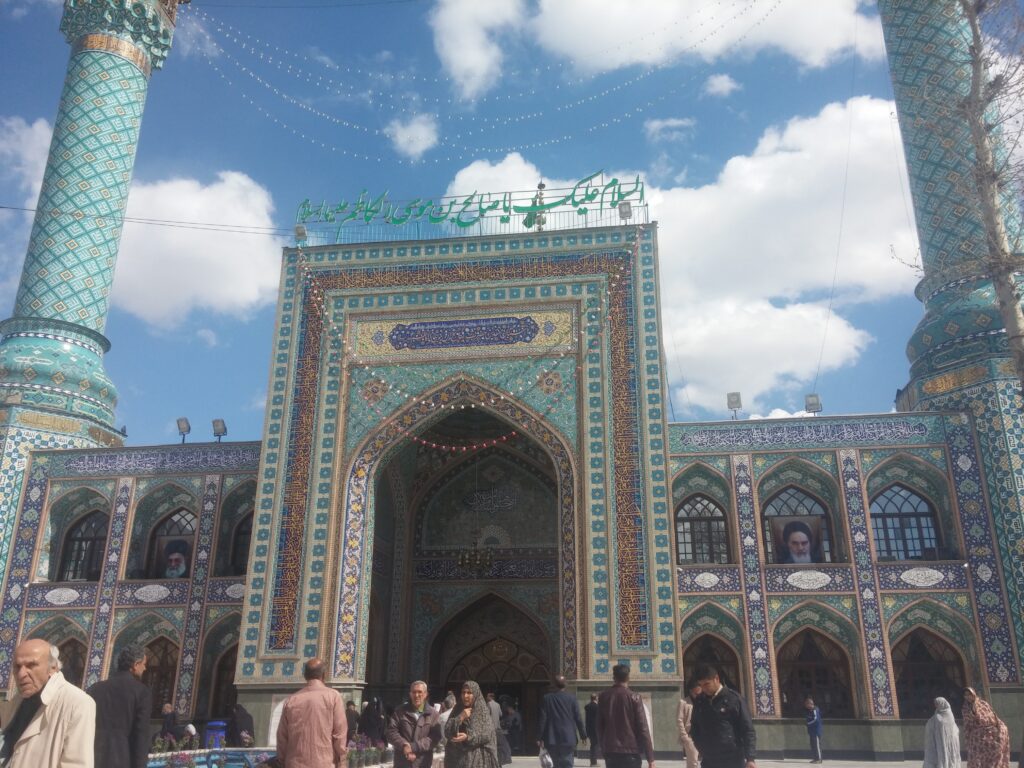
امامزاده صالح تجریش یکی از مهمترین و پرمراجعهترین اماکن مذهبی و تاریخی شهر تهران است که در قلب میدان تجریش، در دامنه جنوبی کوههای البرز و در همسایگی بازار تاریخی تجریش قرار گرفته است. این بنا، هم بهعنوان یک مکان زیارتی و هم بهعنوان یک نماد فرهنگی و کالبدی برای منطقه شمال تهران شناخته میشود و سالانه پذیرای هزاران زائر و گردشگر است.
امامزاده صالح کیست؟
بر اساس روایتهای رایج، امامزاده صالح از فرزندان امام موسی کاظم (ع)، هفتمین امام شیعیان، دانسته میشود. آرامگاه او در طول قرنهای متمادی به یکی از کانونهای اصلی زیارت در تهران و حومه آن تبدیل شده و به همین دلیل، منطقه اطراف آن نیز به نام «تجریش» و بافت مذهبی-تجاری آن شکل گرفته است. این بقعه، همانند بسیاری از امامزادههای دیگر ایران، در طول زمان از یک زیارتگاه ساده به مجموعهای شامل حرم، صحن، بازار و فضاهای جانبی گسترش یافته است.
تاریخچه بنا
قدمت بنای فعلی امامزاده صالح به دوره قاجار بازمیگردد، هرچند شواهد نشان میدهد که این مکان پیش از آن نیز بهعنوان یک زیارتگاه شناخته میشده است. یکی از مهمترین مراحل بازسازی این بنا در سال ۱۳۲۳ خورشیدی به دست استاد حسن فداکار انجام شد که در جریان آن، گنبد و کاشیکاریهای اصلی بنا با دقت مرمت و بازسازی شدند. گنبد این امامزاده به شکل «شلجمی» (مخروطی-قوسی مشابه شلغم) ساخته شده و با کاشیهای فیروزهای تزئین یافته که یکی از نشانههای بصری شاخص میدان تجریش به شمار میرود.
در طول دهههای اخیر، بهواسطه گسترش شهر تهران و افزایش جمعیت منطقه شمیران، صحن و فضاهای جانبی امامزاده صالح نیز توسعه یافتهاند. مساحت مجموعه حرم و صحن در حال حاضر نزدیک به ۳۰۰۰ مترمربع برآورد میشود و بنای اصلی حرم با مساحتی حدود ۵.۶ مترمربع در مرکز این مجموعه قرار دارد.
معماری و ویژگیهای بنا
معماری امامزاده صالح ترکیبی از عناصر سنتی معماری اسلامی-ایرانی است؛ از جمله گنبد شلجمیشکل، کاشیکاریهای فیروزهای و لاجوردی، مقرنسکاری در ورودیها، و ضریح فلزی مزینشده در میان حرم. صحن بنا با ایوانها و رواقهایی احاطه شده که فضایی برای گردهمایی، عبادت و استراحت زائران فراهم میکند. ترکیب حرم، صحن، و بازار مجاور آن، مجموعهای پیوسته و زنده را شکل داده که در طول شبانهروز، بهویژه در شبهای جمعه و مناسبتهای مذهبی، محل رفتوآمد پرشمار مردم است.
یکی از ویژگیهای مهم این مجموعه، پیوند مستقیم آن با بازار تاریخی تجریش است؛ بهگونهای که مسیر عبور از بازار بهطور طبیعی زائران و رهگذران را به صحن امامزاده هدایت میکند. این ارتباط کالبدی، امامزاده صالح را به یکی از گرههای اصلی شهری در شمال تهران تبدیل کرده که در آن، عملکردهای مذهبی، تجاری و اجتماعی در هم تنیده شدهاند.
موقعیت مکانی و دسترسی
امامزاده صالح در میدان تجریش، در انتهای شمالی خیابان ولیعصر و در مجاورت بازار تجریش واقع شده است. این موقعیت، آن را به یکی از قابلدسترسترین اماکن زیارتی تهران تبدیل کرده است. ایستگاه پایانی خط ۱ متروی تهران، که «تجریش» نام دارد، درست در همین میدان و در نزدیکی امامزاده قرار گرفته و همین موضوع باعث شده این بنا به یکی از شناختهشدهترین نقاط مرجع (لندمارک) شهر تهران در ذهن شهروندان تبدیل شود.
اهمیت فرهنگی و اجتماعی
فراتر از نقش مذهبی، امامزاده صالح تجریش بهعنوان یک فضای شهری زنده، محل تجمع، تعامل اجتماعی و حتی گردشگری فرهنگی نیز عمل میکند. حضور همزمان بازار سنتی، مسیرهای پیاده، مغازههای محلی و صحن مذهبی، تجربهای چندلایه از فضای شهری تهران قدیم و جدید را برای بازدیدکنندگان فراهم میآورد. این ترکیب از عملکردهای مختلف، امامزاده صالح را نمونهای موفق از همزیستی میان کارکردهای مذهبی و شهری در بافت تاریخی تهران ساخته است.
جمعبندی
امامزاده صالح تجریش، با پیشینه تاریخی، معماری اصیل و جایگاه اجتماعی-فرهنگی خود، یکی از نمادهای ماندگار شهر تهران است. این مجموعه نهتنها بهعنوان مکانی برای زیارت، بلکه بهعنوان یک میراث معماری و کالبد شهری زنده، همچنان نقش مهمی در هویت منطقه تجریش و شهر تهران ایفا میکند.
English
Emamzadeh Saleh Tajrish is one of the most important and frequently visited religious and historical sites in Tehran, located at the heart of Tajrish Square, on the southern slopes of the Alborz mountains, right next to the historic Tajrish Bazaar. The shrine serves both as a place of pilgrimage and as a cultural and physical landmark for northern Tehran, welcoming thousands of pilgrims and visitors every year.
Who is Emamzadeh Saleh?
According to widely held tradition, Emamzadeh Saleh is regarded as a descendant of Imam Musa al-Kadhim (peace be upon him), the seventh Shia Imam. Over the centuries, his shrine became one of the main centers of pilgrimage in Tehran and its surrounding areas, and the neighborhood around it grew into what is known today as Tajrish, with its distinctive religious and commercial character. Like many other shrines (emamzadehs) across Iran, this site gradually expanded from a simple pilgrimage spot into a larger complex comprising the shrine itself, a courtyard, an adjoining bazaar, and supporting spaces.
History of the Building
The current structure of Emamzadeh Saleh dates back to the Qajar era, although evidence suggests the site was recognized as a place of pilgrimage even earlier. One of the most significant restorations took place in 1323 SH (around 1944-1945), carried out by master craftsman Hassan Fadakar, during which the dome and the original tilework were carefully restored. The dome follows a turnip-shaped (“Sholjami”) profile and is decorated with turquoise tiles, making it one of the most recognizable visual landmarks of Tajrish Square.
Over recent decades, as Tehran expanded and the population of the Shemiran district grew, the courtyard and surrounding spaces of the shrine were also enlarged. Today, the shrine and courtyard complex covers an area of roughly 3,000 square meters, with the main shrine building itself covering around 5.6 square meters at the center of the complex.
Architecture and Features
The architecture of Emamzadeh Saleh combines classic elements of Iranian-Islamic design, including the turnip-shaped dome, turquoise and cobalt-blue tilework, muqarnas (stalactite) decoration above the entrances, and an ornate metal lattice shrine (zarih) at the heart of the sanctuary. The courtyard is framed by porches (ivans) and arcades that provide space for gathering, prayer, and rest. Together, the shrine, courtyard, and adjoining bazaar form a continuous and lively complex that draws large numbers of visitors throughout the day, especially on Thursday evenings and religious occasions.
One of the defining features of the complex is its direct physical connection to the historic Tajrish Bazaar: the natural route through the bazaar leads pilgrims and passersby straight into the shrine’s courtyard. This physical link has turned Emamzadeh Saleh into one of the key urban nodes of northern Tehran, a place where religious, commercial, and social functions are tightly interwoven.
Location and Access
Emamzadeh Saleh is located in Tajrish Square, at the northern end of Valiasr Street, right beside the Tajrish Bazaar. This central position makes it one of the most accessible pilgrimage sites in Tehran. The northern terminus of Tehran Metro Line 1, named “Tajrish” station, sits right at this square, close to the shrine — a fact that has helped establish the site as one of the most recognizable landmarks in the mental map of Tehran’s residents.
Cultural and Social Significance
Beyond its religious role, Emamzadeh Saleh functions as a living urban space — a place for gathering, social interaction, and even cultural tourism. The simultaneous presence of the traditional bazaar, pedestrian pathways, local shops, and the religious courtyard offers visitors a multi-layered experience of both old and new Tehran. This blend of functions makes Emamzadeh Saleh a successful example of coexistence between religious and urban life within Tehran’s historic fabric.
Conclusion
With its historical background, authentic architecture, and social-cultural standing, Emamzadeh Saleh Tajrish remains one of Tehran’s most enduring landmarks. The complex serves not only as a place of pilgrimage, but also as a living architectural heritage and urban space that continues to play an important role in the identity of the Tajrish district and the city of Tehran as a whole.
ویدیو | Video
Français
Emamzadeh Saleh est l’un des lieux religieux et historiques les plus importants et les plus fréquentés de Tajrish, un quartier historique de la ville de Téhéran. Situé au cœur de la place Tajrish, ce sanctuaire, ainsi que le bazar historique voisin, forment une zone touristique reconnue qui accueille chaque année des milliers de visiteurs et de pèlerins.
Qui est Emamzadeh Saleh ?
Emamzadeh Saleh est un descendant direct des imams chiites, dont le sanctuaire est devenu, au fil des siècles, un lieu de pèlerinage et de rassemblement spirituel pour les habitants de Téhéran et les visiteurs venus d’autres régions d’Iran.
Histoire du bâtiment
Le bâtiment actuel du sanctuaire remonte à l’époque qadjare. En 1323 du calendrier solaire hégirien (environ 1944-1945), le maître artisan Hassan Fadakar a supervisé une restauration majeure, au cours de laquelle le dôme et les carreaux de céramique d’origine ont été soigneusement restaurés. Le dôme, de forme conique semblable à un navet, est orné de carreaux turquoise, ce qui en fait l’un des repères visuels les plus reconnaissables de la place Tajrish.
Au fil des dernières décennies, à mesure que Téhéran s’est développée et que la population du district de Shemiran a augmenté, la cour et les espaces environnants du sanctuaire ont également été agrandis. Aujourd’hui, le complexe du sanctuaire et de la cour couvre une superficie d’environ 3 000 mètres carrés, le bâtiment principal du sanctuaire occupant à lui seul environ 5,6 mètres carrés au centre du complexe.
Architecture et caractéristiques
L’architecture d’Emamzadeh Saleh combine des éléments classiques du design irano-islamique, notamment le dôme en forme de navet, des carreaux turquoise et bleu cobalt, des décorations en muqarnas (stalactites) au-dessus des entrées, et un treillis métallique orné (zarih) au cœur du sanctuaire. La cour est entourée de porches (ivans) et d’arcades qui offrent un espace pour le rassemblement, la prière et le repos. Ensemble, le sanctuaire, la cour et le bazar attenant forment un ensemble vivant et continu qui attire un grand nombre de visiteurs tout au long de la journée, en particulier le jeudi soir et lors des occasions religieuses.
Emplacement et accès
Emamzadeh Saleh est situé sur la place Tajrish, à l’extrémité nord de la rue Valiasr, dans le nord de Téhéran. Le site est facilement accessible en métro grâce à la station « Tajrish » de la ligne 1 du métro de Téhéran, ainsi que par de nombreuses lignes de bus et de taxis partagés desservant la place.
Importance culturelle et sociale
Au-delà de son rôle religieux, Emamzadeh Saleh occupe une place centrale dans la vie sociale et culturelle du quartier de Tajrish. La place et le bazar environnants sont depuis longtemps un lieu de rencontre pour les habitants, un centre commercial traditionnel, et un symbole du patrimoine historique du nord de Téhéran.
Conclusion
Avec son architecture remarquable, son histoire riche et son emplacement central, Emamzadeh Saleh demeure l’un des monuments religieux et culturels les plus emblématiques de Téhéran, continuant d’attirer chaque année des milliers de visiteurs et de fidèles.